Led the visual system design across the interface, defining how the economy is represented, understood, and experienced across both the tabletop and projection layers.
Econo Me at the Oman Across Ages Museum
A multi-user, system-mediated interface that externalizes the behavior of a national economy through a shared, interactive surface and a synchronized spatial display layer.
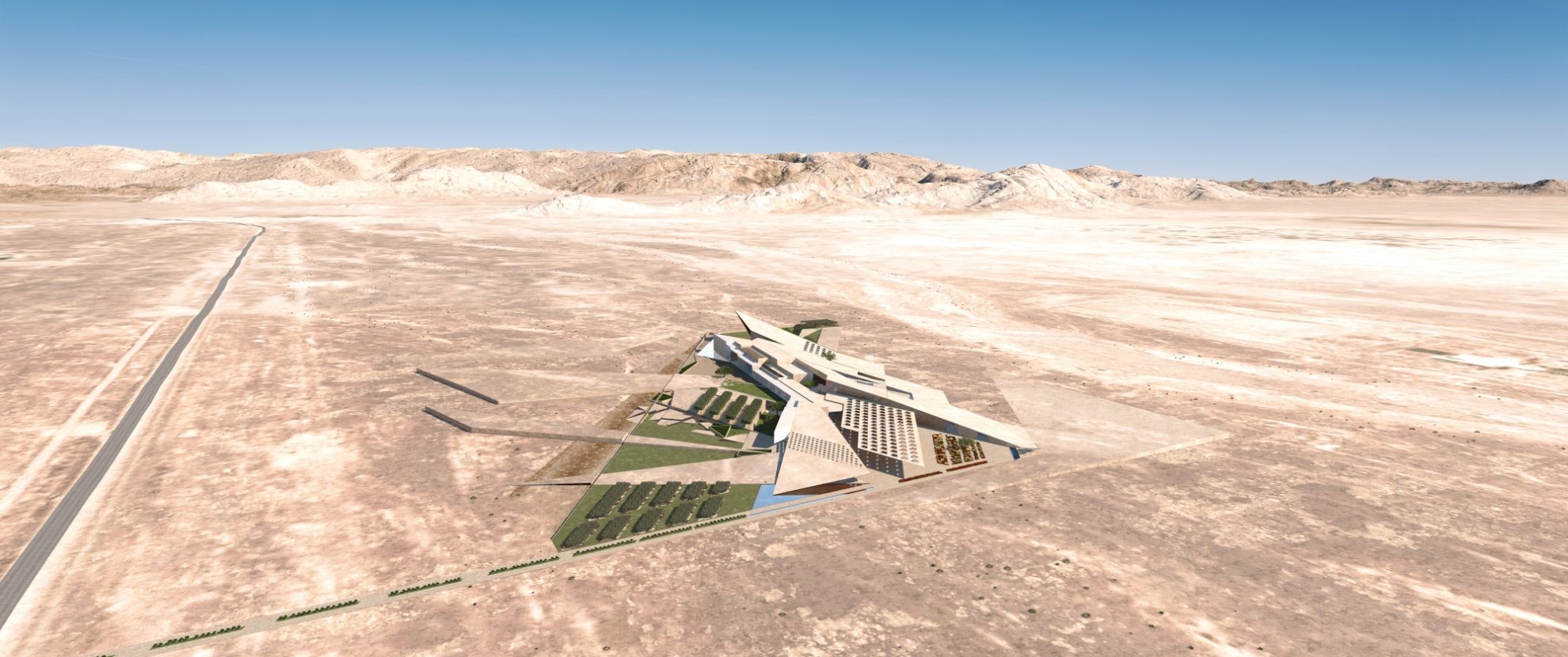
Oman Across Ages Museum, Manah — one of the Gulf's largest national museums.
Econo Me in the Contemporary Oman gallery, Oman Across Ages Museum.
Located in the Wilayat of Manah in Al Dakhliyah Governorate, the Oman Across Ages Museum is one of the largest and most ambitious museums in the Gulf. Its Contemporary Oman gallery needed an exhibit that could make the country's economic structure legible, engaging, and memorable for visitors of all ages in a 5–10 minute encounter.
The system allows four participants to simultaneously engage with a single economic model, where individual actions contribute to a shared landmass and collectively influence system outcomes.
EconMe Table Game & Pufferfish Dome Content
Understanding emerges through shared interaction—where individual inputs collectively shape a visible system.
The Exhibit
Designed for the Oman Across Ages Museum, the exhibit occupies a central position in the Contemporary Oman gallery. The experience is structured around balancing multiple dimensions of the economy—including wellbeing, commerce, and culture—requiring users to coordinate inputs and respond to dynamic events that impact overall system stability. The interface is distributed across two coordinated layers:
• A multi-touch table — 250cm wide — allows four players to manage resources, professions, and infrastructure
• An overhead projected sphere, which reflects system-wide changes and amplifies the collective state
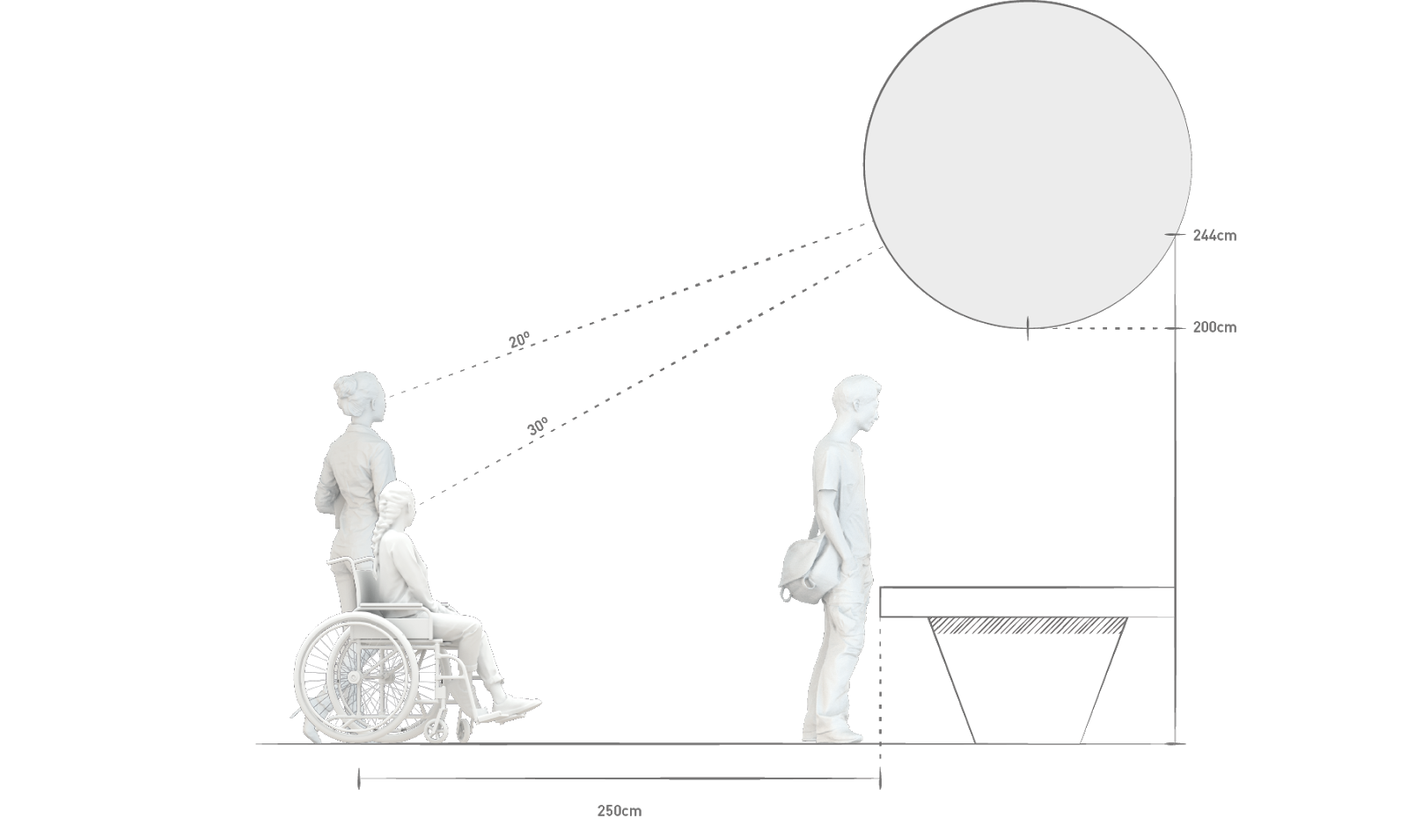
Physical exhibit specification — seated and standing access, 250cm table width.
Design Systems
Ensured visual consistency and continuity across all surfaces, enabling the system to remain legible under real-time, multi-user interaction.
Landmass map structure
Each player controls their own territory, but they all share a single island. Players must balance all aspects, i.e., Wellbeing, Commerce, and Culture — neglect one and the whole island's score falls.
Profession card system
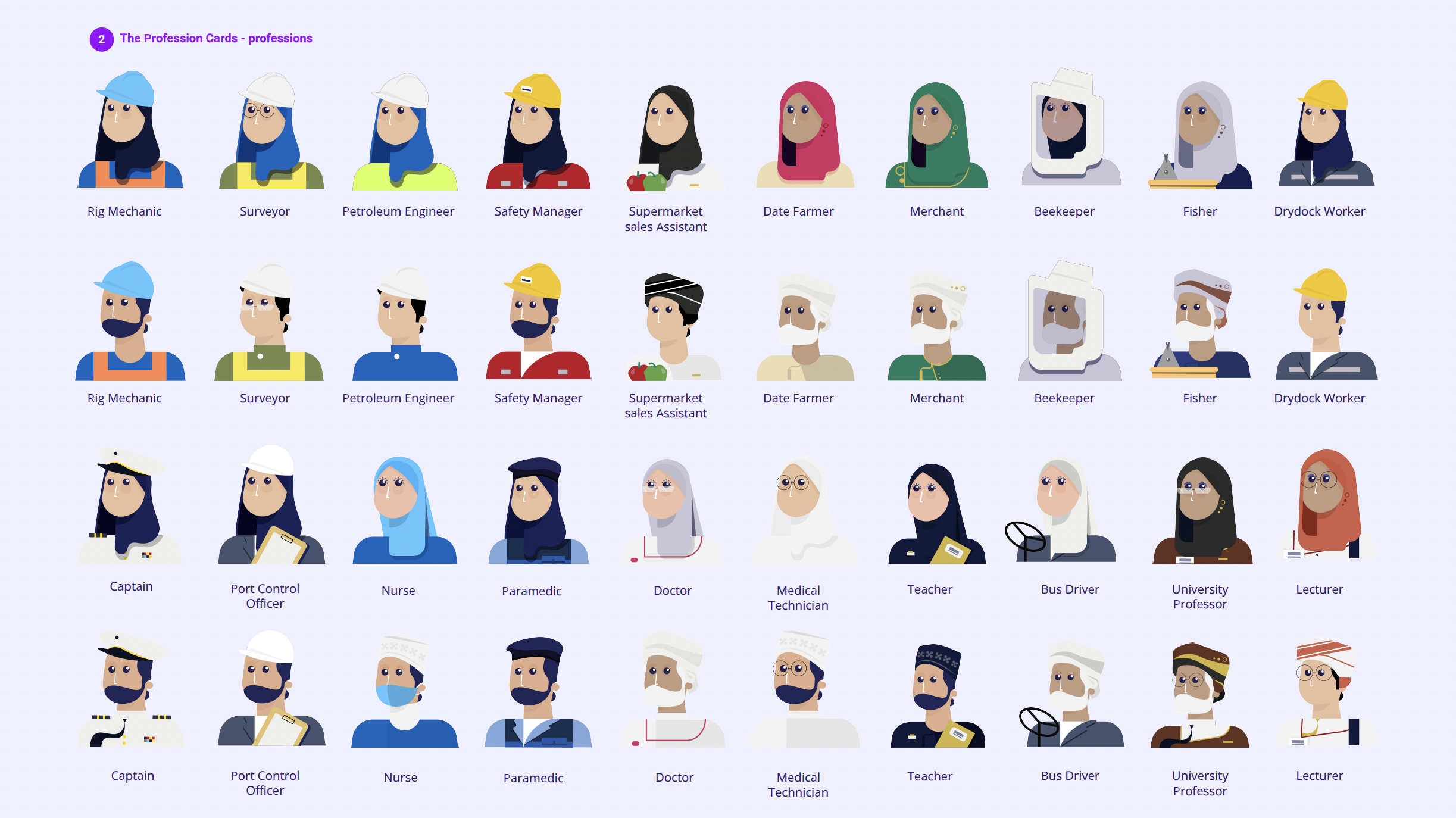
A modular character system representing 70+ Omani professions. Players hold a hand of profession cards and assign workers to buildings. Match the right person to the right role for bonus points.
Scalable building system
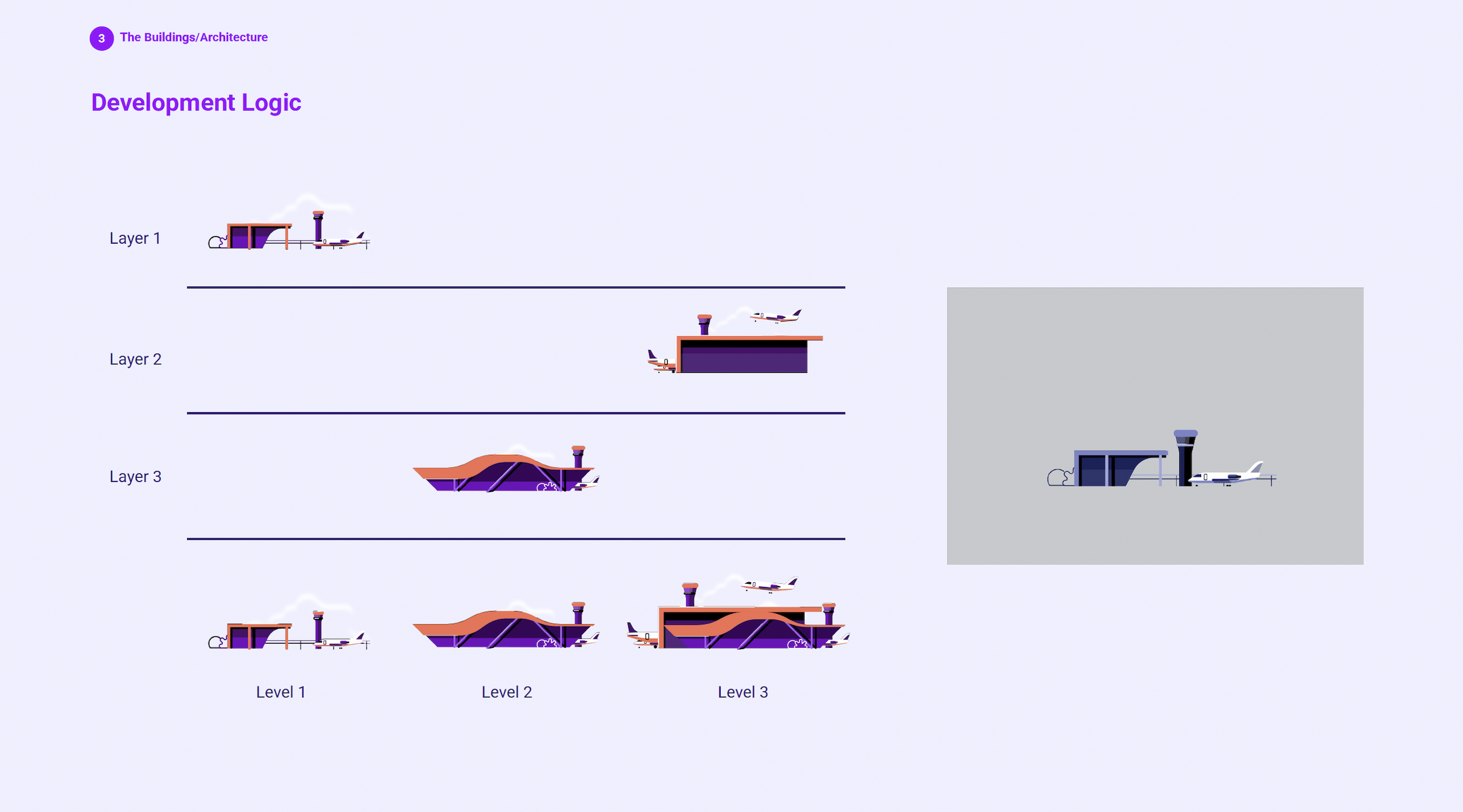
A scalable building system across wellbeing, commerce, and culture sectors. Each sector contains 3 types of buildings, each with 3 development logics.
Event-driven event takeover
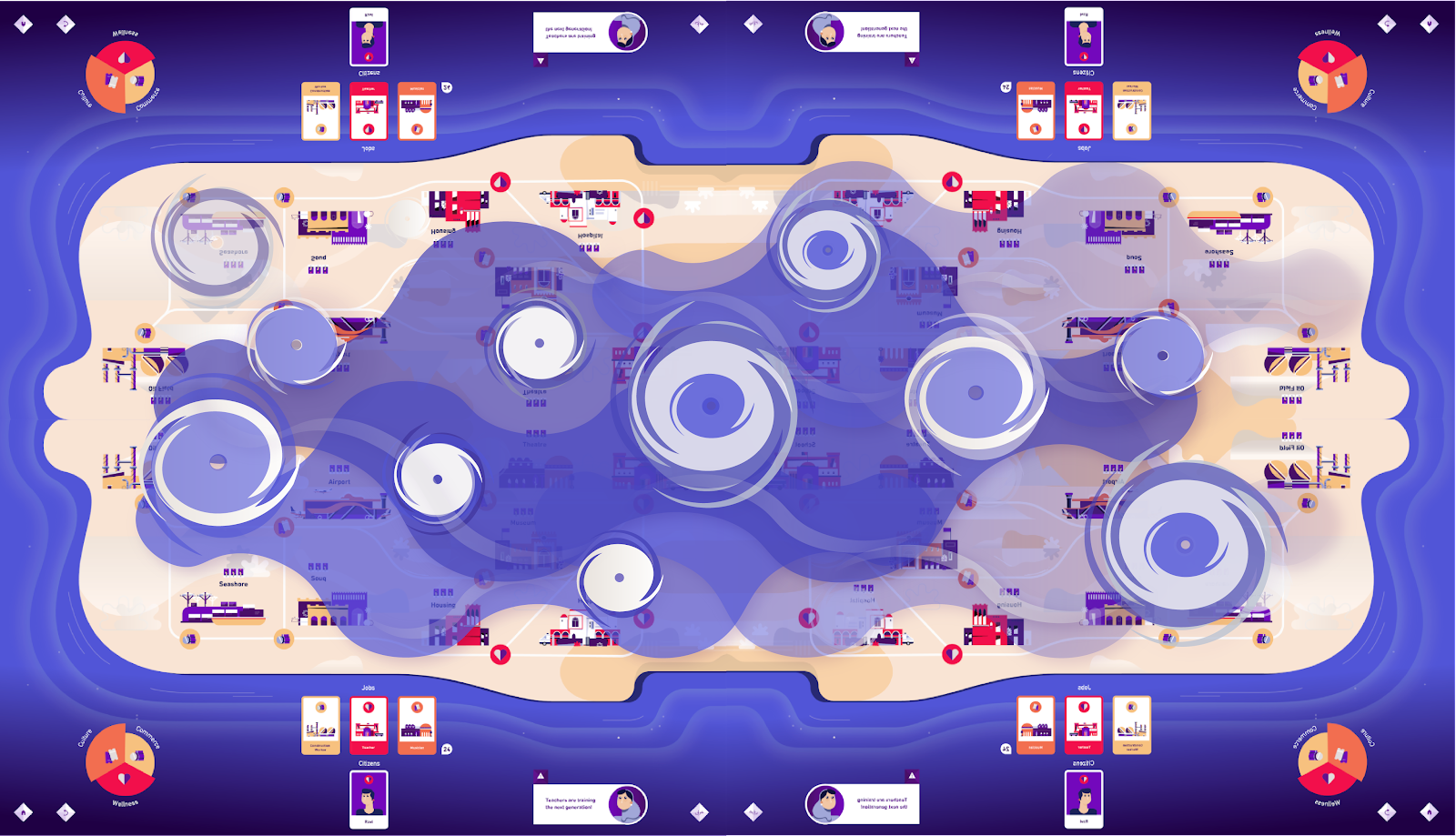
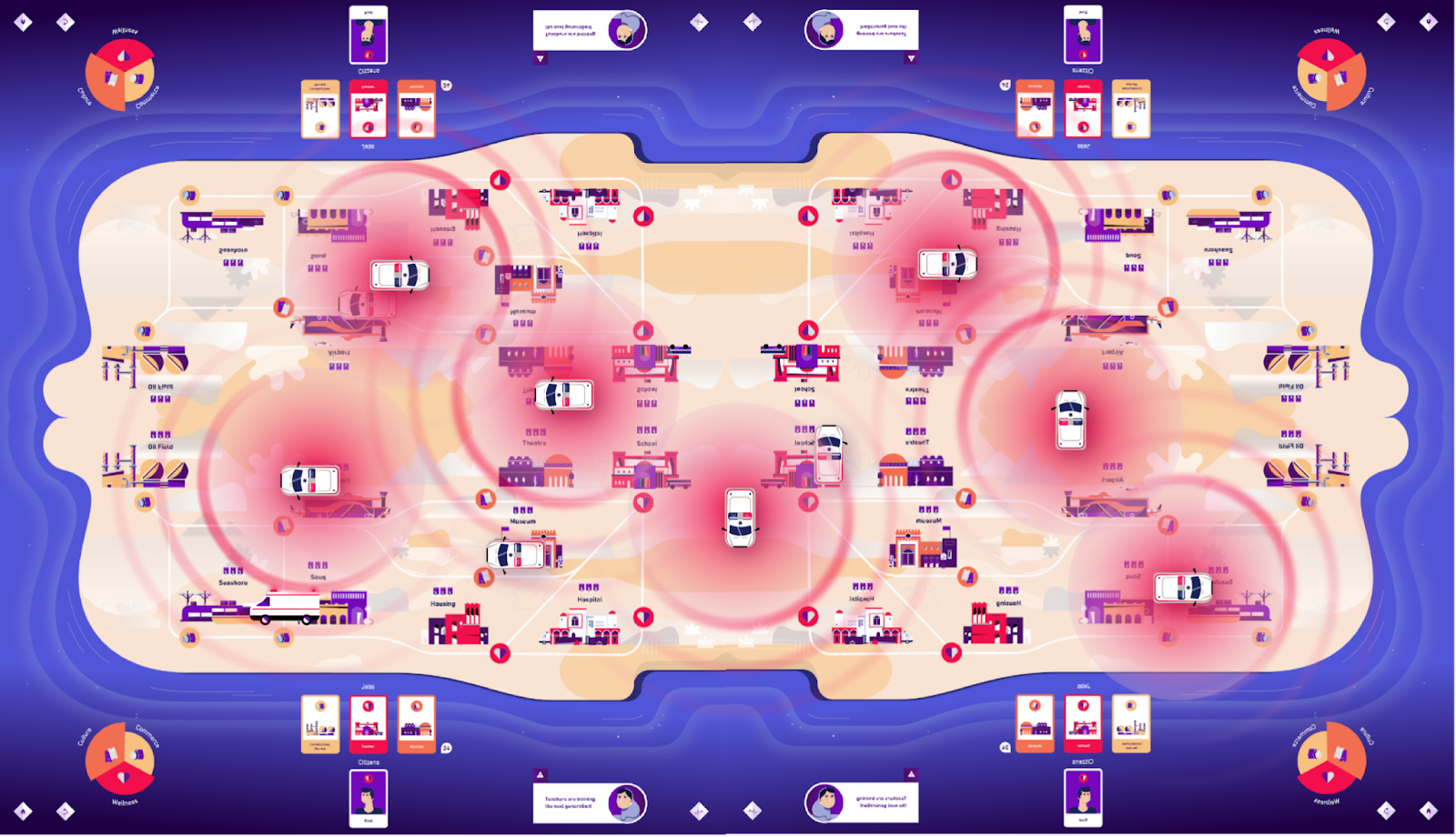
6 different visual states that respond to in-game events and player actions. — national holidays, sandstorms, oil booms — interrupt the game with full-screen animated takeovers that shift the economy instantly.
Pufferfish projection mapping
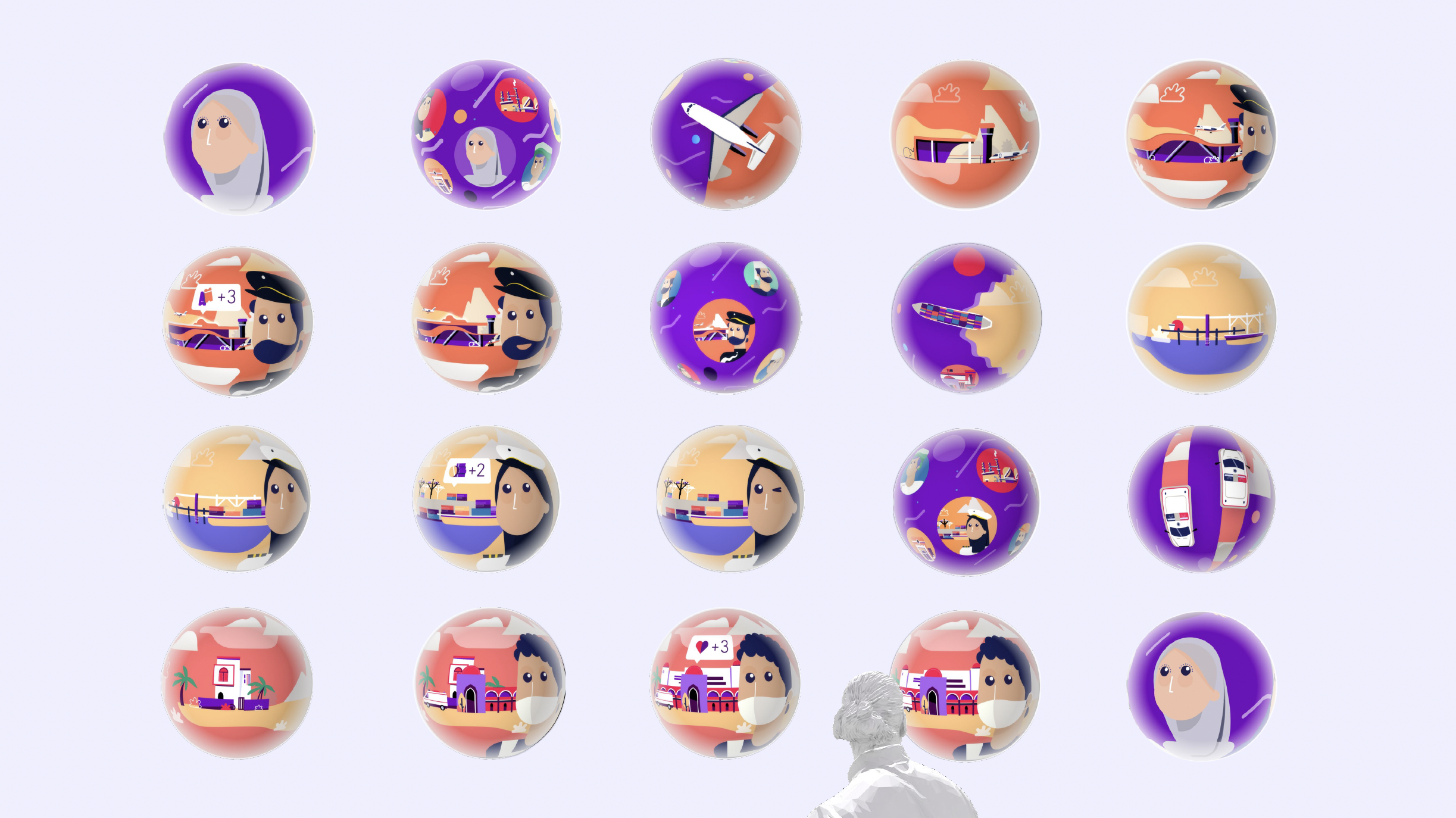
Motion and narrative content for the projection sphere. The dome functions as the exhibit's attractor: visible from across the gallery, it draws visitors toward the table before they know what they're about to play.
Landmass map structure
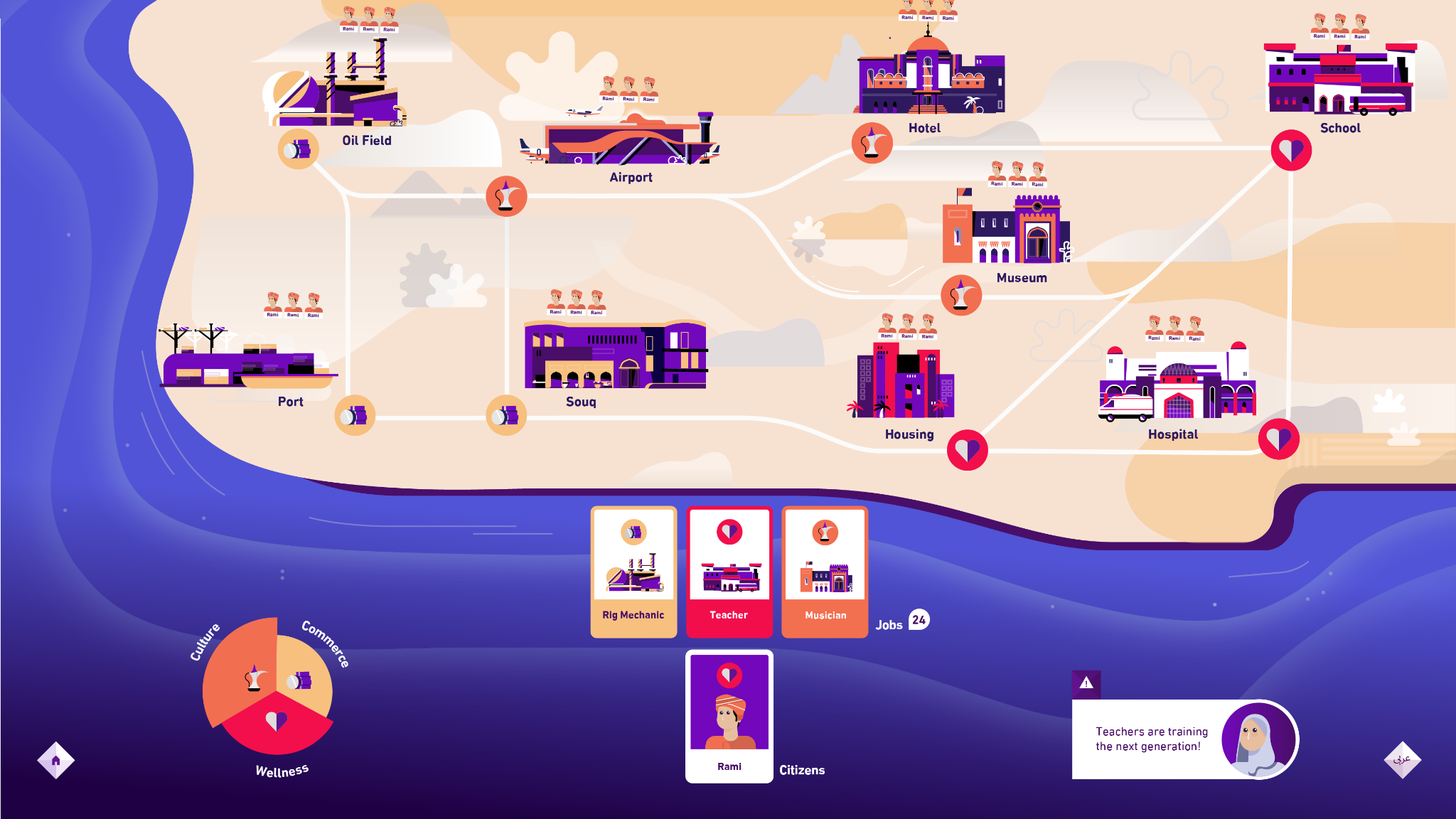
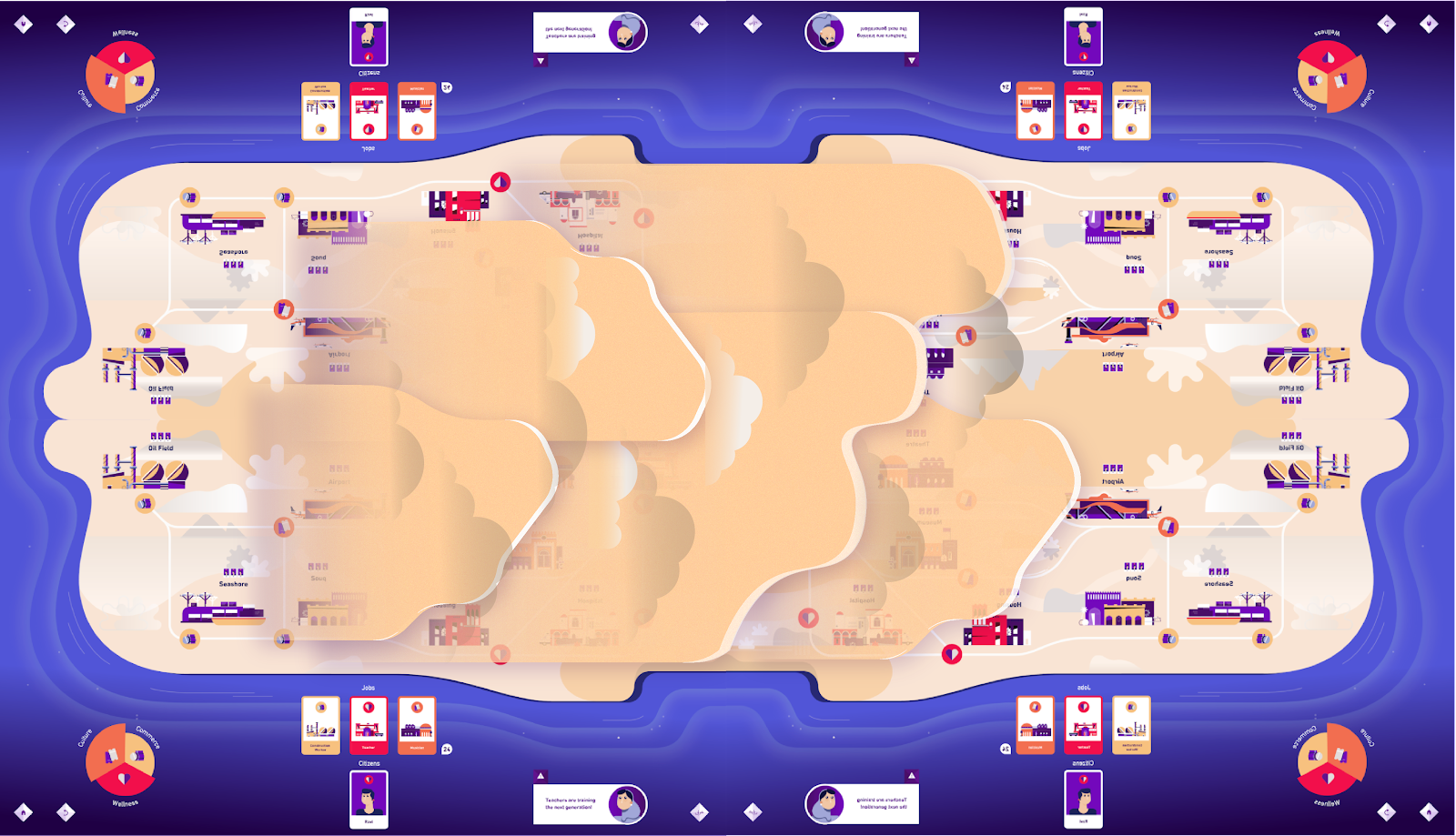
The island is the game's centrepiece — a coastline shaped like Oman's own geography, with buildings distributed across the land. Oil fields sit near the coast, the airport out at the edges, the hospital and school inland. The map had to read instantly from all four player positions — no single "front" side, no preferred viewing angle.
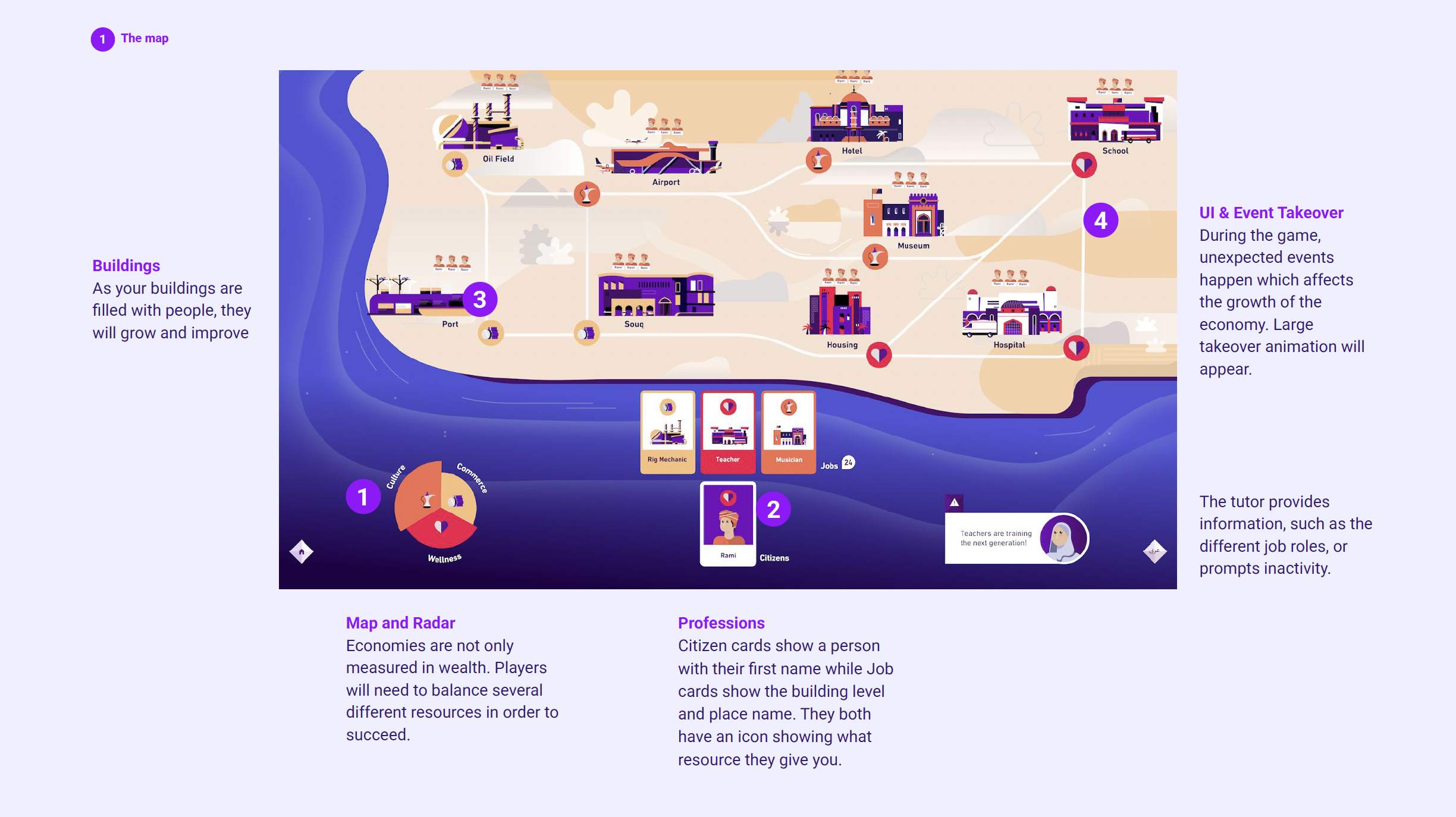
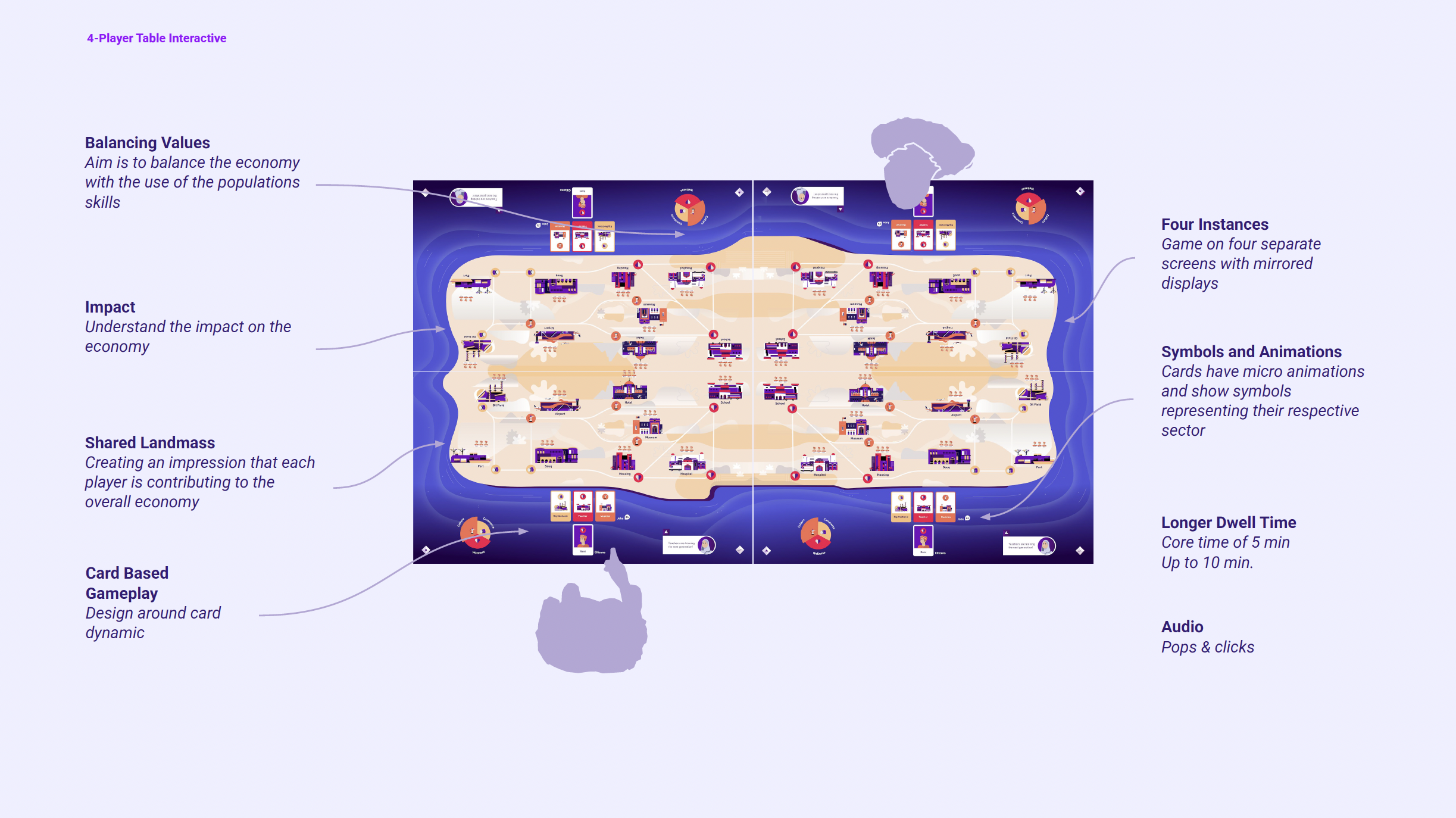
The shared island — nine buildings, three sectors, four simultaneous player views.
The visual language went through a full exploration before arriving at the final map. Early wireframes tested the spatial logic of the island, the position of the economy radar, and the placement of each player's card hand. The colour palette and illustration style were resolved in parallel — shifting from a muted, diagrammatic early direction to the vivid, character-driven world of the final game.
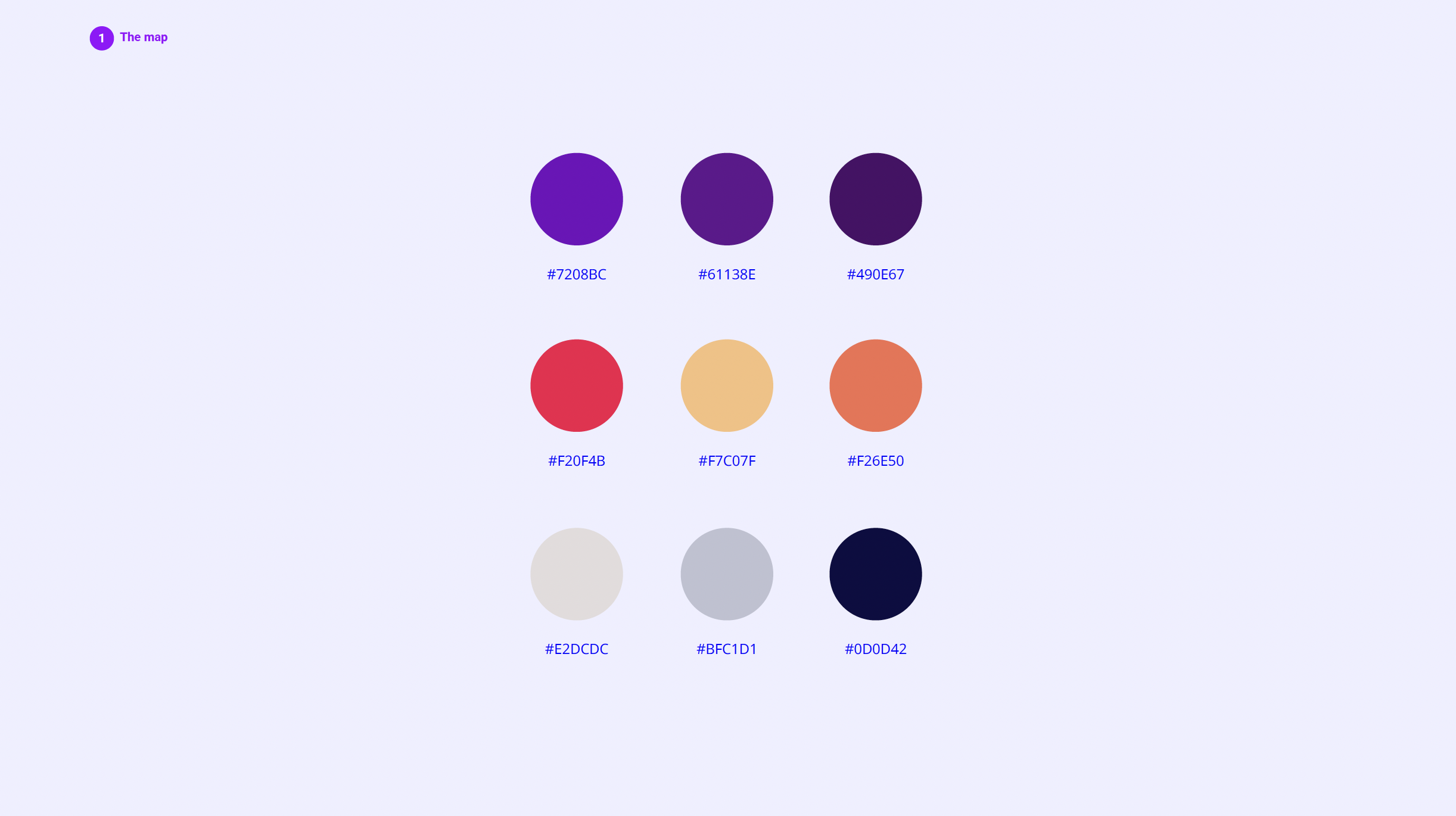
color
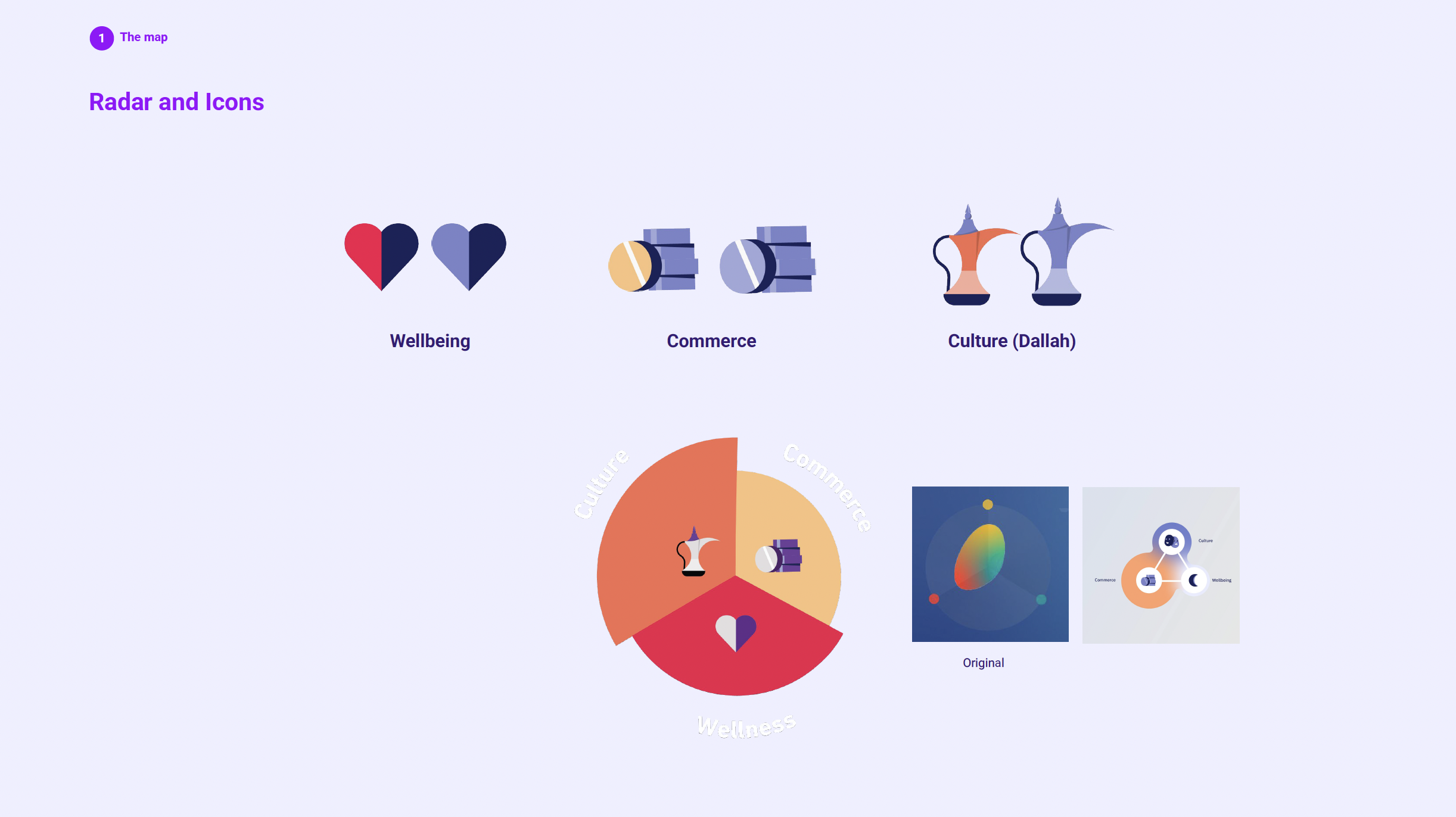
sectors
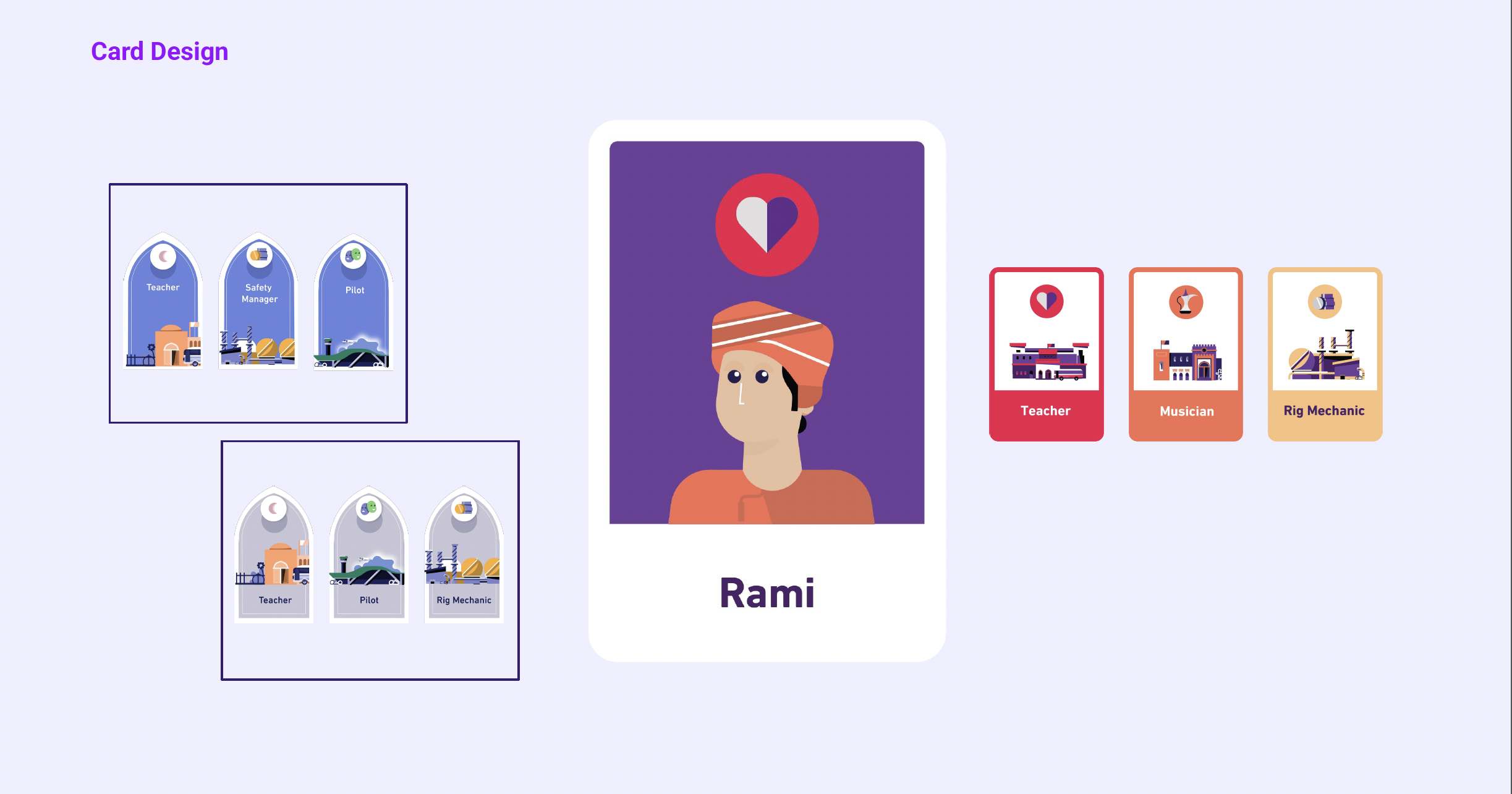
cards
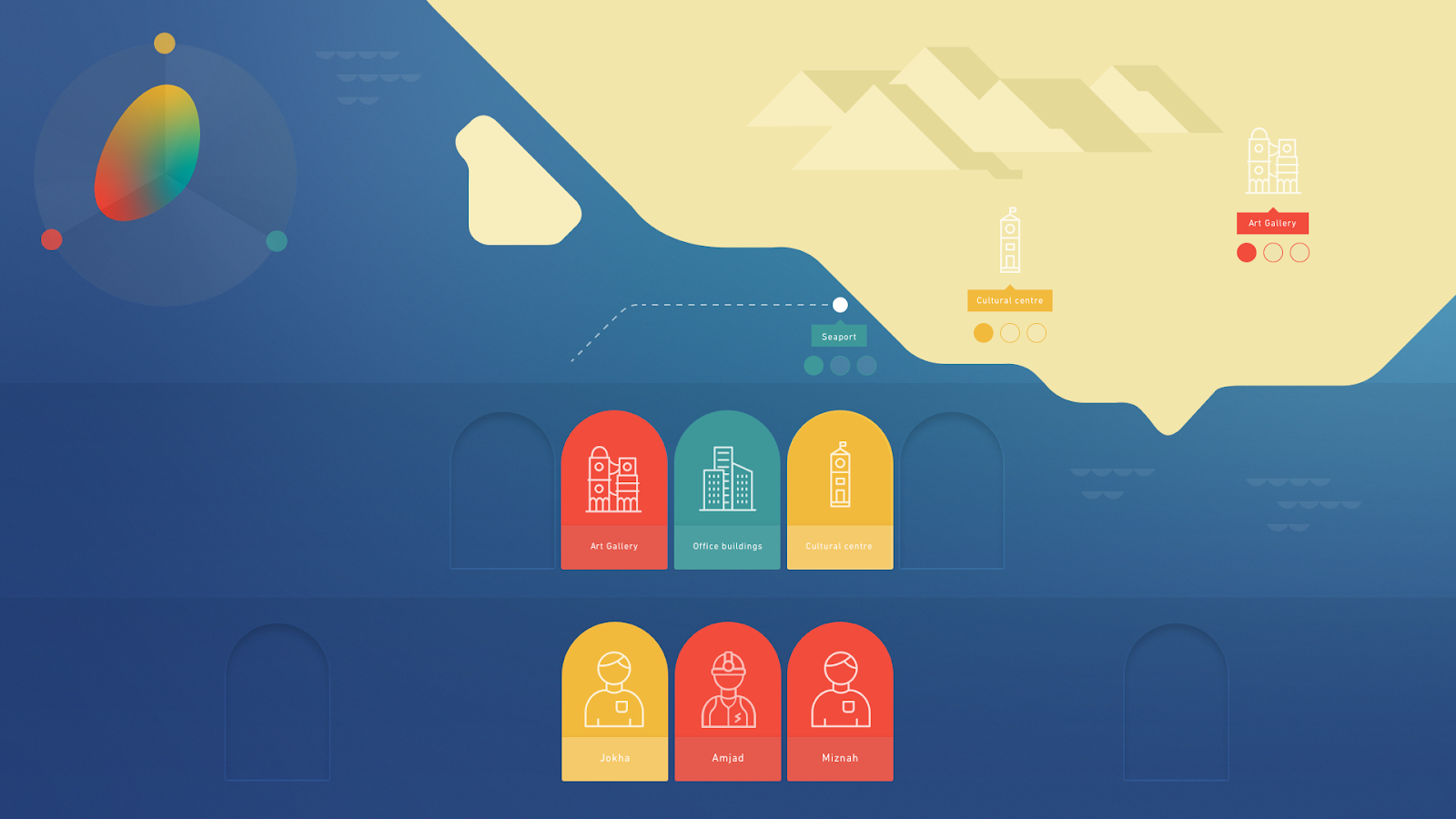
Before
After
Profession Card System
The game's core mechanic is the profession card. Each player holds a hand of cards representing real Omani occupations — Petroleum Engineers, Date Farmers, Fishers, Doctors, Teachers, Chefs, Pilots, Curators. Assign a card to a matching building and the bonus multiplies. Assign it to the wrong sector and it still contributes — inefficiency is modelled, not punished outright.
Characters Style
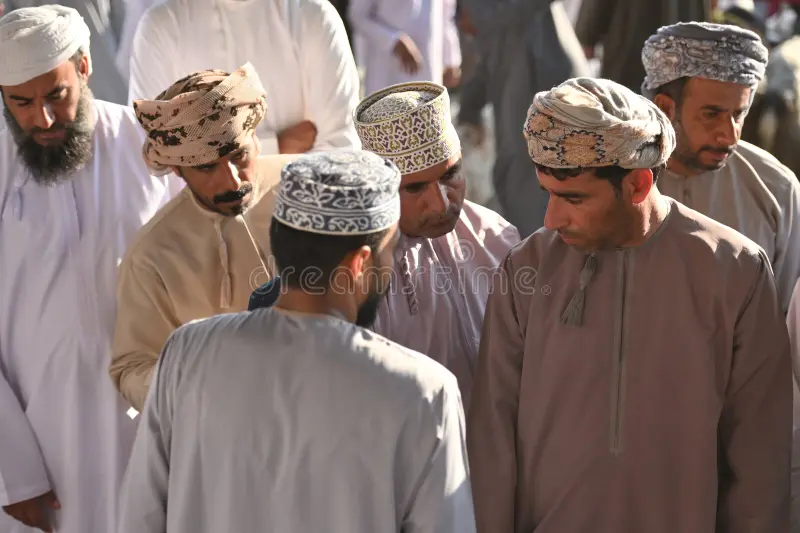
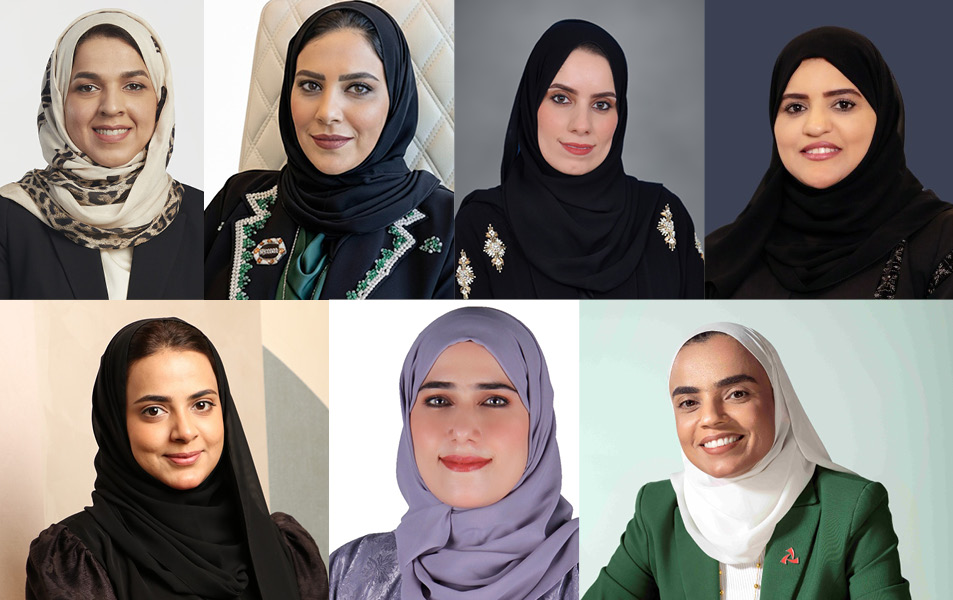
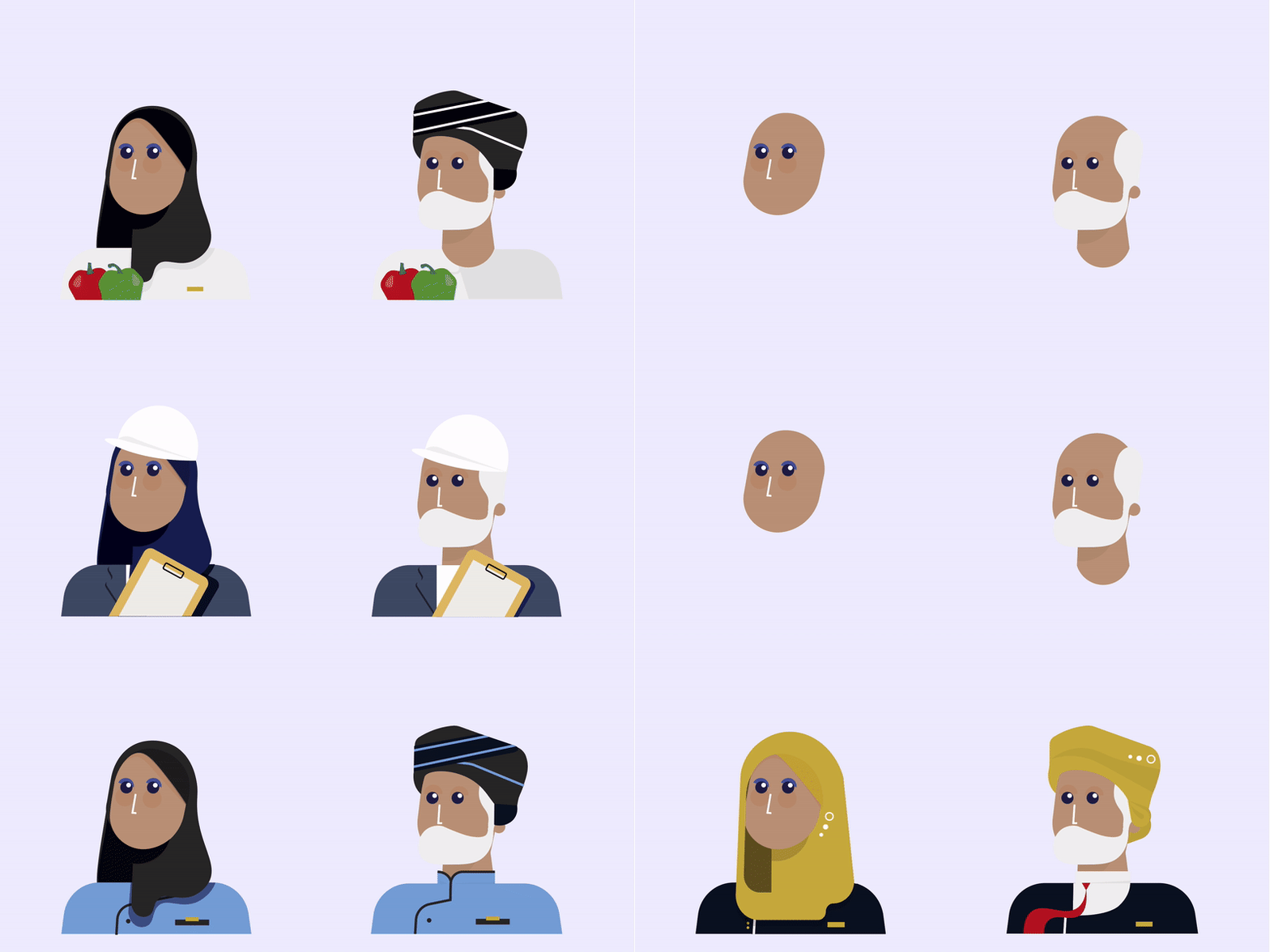
The character system needed to feel genuinely Omani — not a generic Middle Eastern shorthand, and not a tourist-brochure version of the country. The team began with a local people study: reference photographs of real Omani men and women, studying their attire, hairstyles, and the specific details that distinguish everyday dress from ceremonial wear. Two distinct attire traditions were studied and codified for the character system:
Male Omani Attire
The Kummar headpiece, worn with a white Dishdasha. The Kummar's embroidered pattern and wrapped form vary by region and occasion — the illustrated version captures the essential silhouette without over-specifying.
Female Omani Attire
The Hijab and Abaya, worn in a range of colours. The design system includes four distinct women's character variants, each with a different colour combination to reflect the diversity visible on any Omani street.

Profession Style
Over 40 professions were designed across the three sectors, spanning the full range of Oman's economy — from Oil Well to Shopping Mall, from Nursery to University, from Airstrip to International Airport. Every card carries an Omani first name — Rami, Salma, Khalid, Fatima — grounding the abstract system in real human identity.
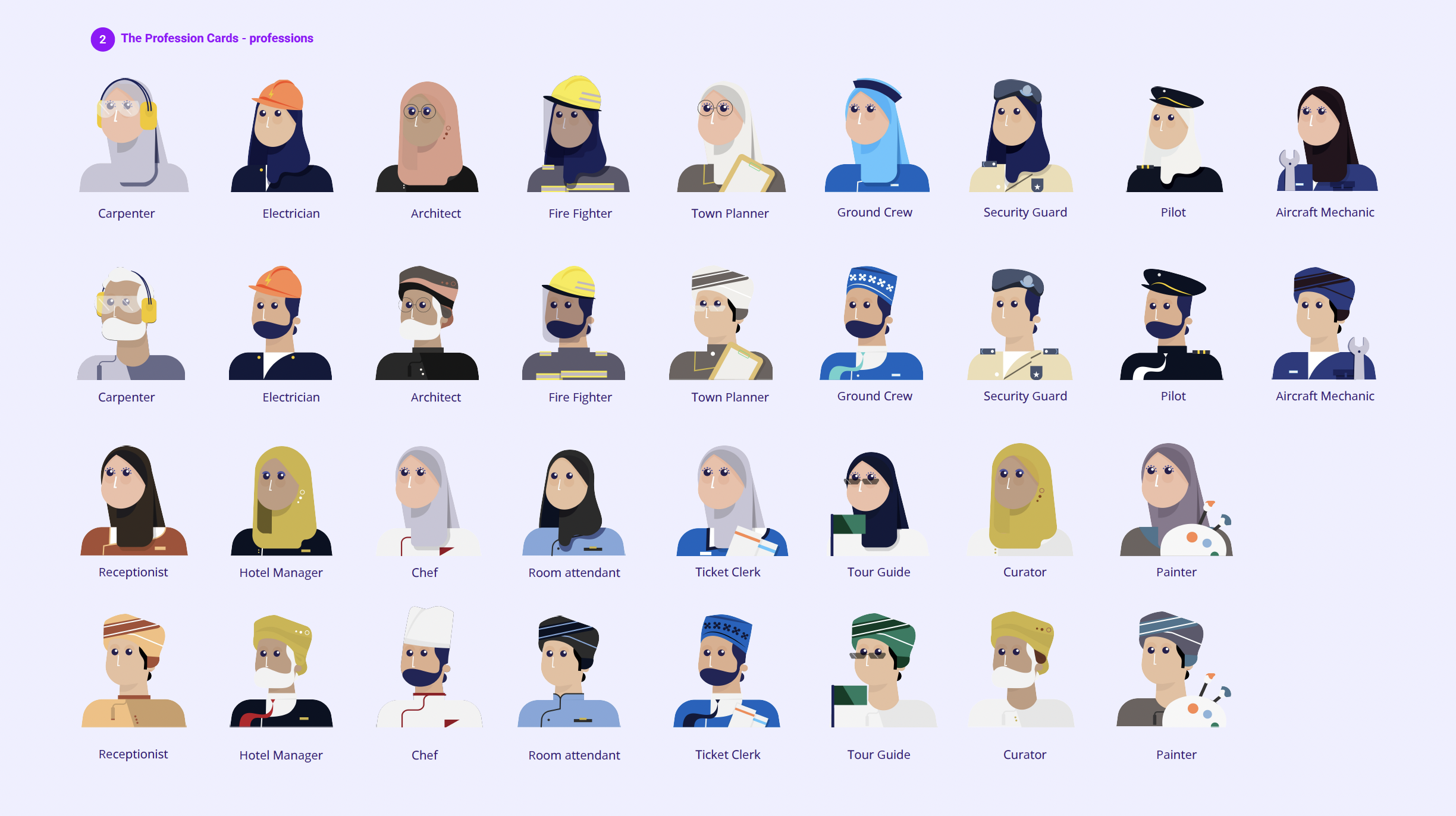
Development Logic
Over 40 professions were designed across the three sectors, spanning the full range of Oman's economy — from Oil Well to Shopping Mall, from Nursery to University, from Airstrip to International Airport. Every card carries an Omani first name — Rami, Salma, Khalid, Fatima — grounding the abstract system in real human identity.






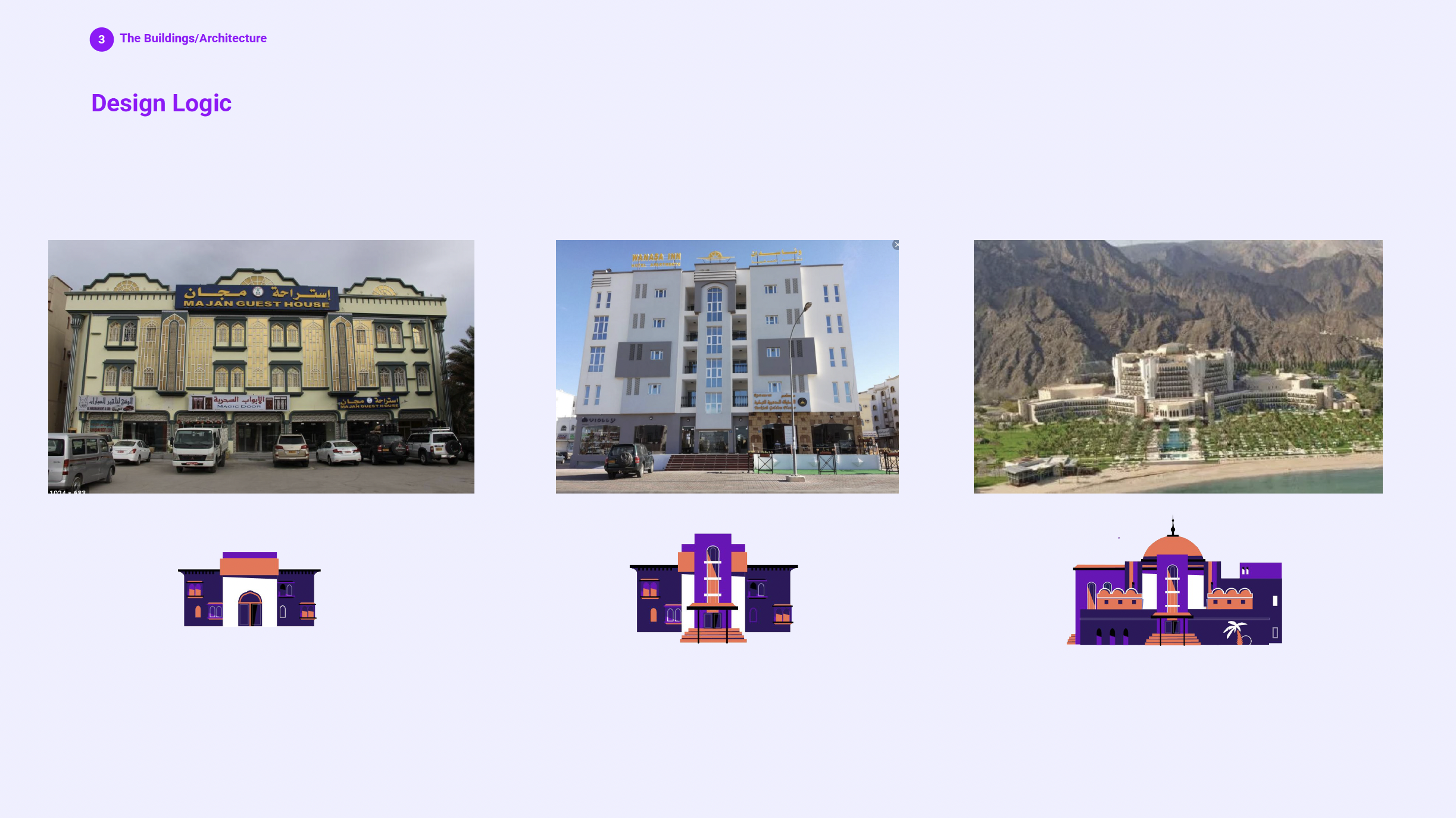
Scalable building system
Nine building types anchor the island's economy. Each belongs to one of three sectors, and each develops through three tiers as players assign workers — from modest beginnings to flagship infrastructure. Every building was designed from real Omani architectural references: the proportions, colours, and characteristic features of real buildings across the country, abstracted into a flat illustration language that reads instantly on a touchscreen.
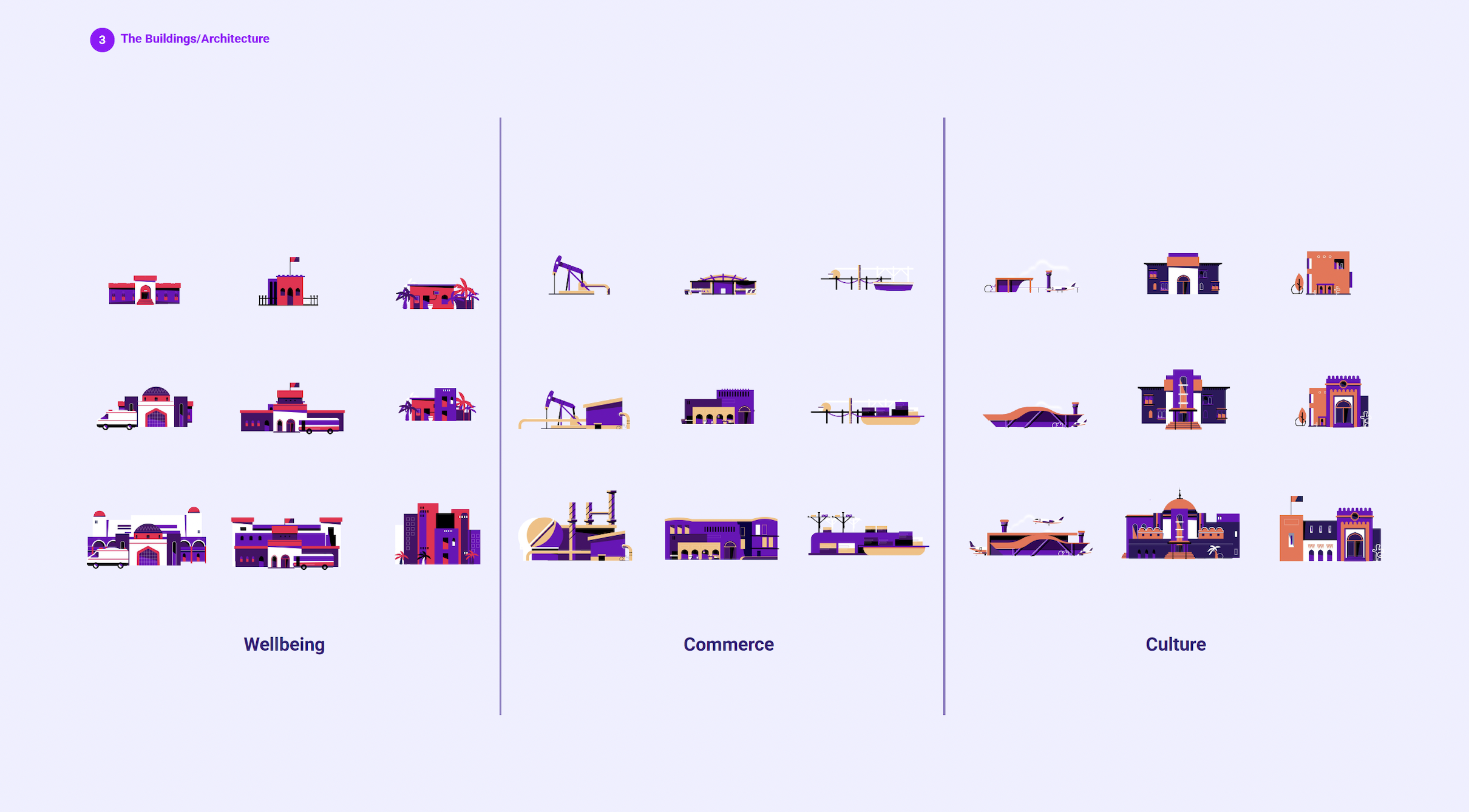
Wellbeing — Hospital · School · Housing
The Wellbeing sector tracks the health and education of the island's people. Its three building types grow from a Health Centre to a Royal Hospital, from a Nursery to a University, and from a Farm House to a Housing Estate.
Commerce — Oil Field · Souq · Port
Commerce drives the island's material wealth. The Oil Field grows from an Oil Well through to a full Refinery — the visual centrepiece of Oman's real economy. The Souq expands from a street Market to a Shopping Mall. The Port develops from a Pier to a full working Dock.
Culture — Hotel · Museum · Airport
The Culture sector embodies Oman's identity and its connections to the world. The Hotel evolves from a Guest House to a 5-Star Hotel. The Museum grows from a Gallery to a National Museum. The Airport expands from a rural Airstrip to a full International Airport — all designed from photographic references of real Omani buildings.
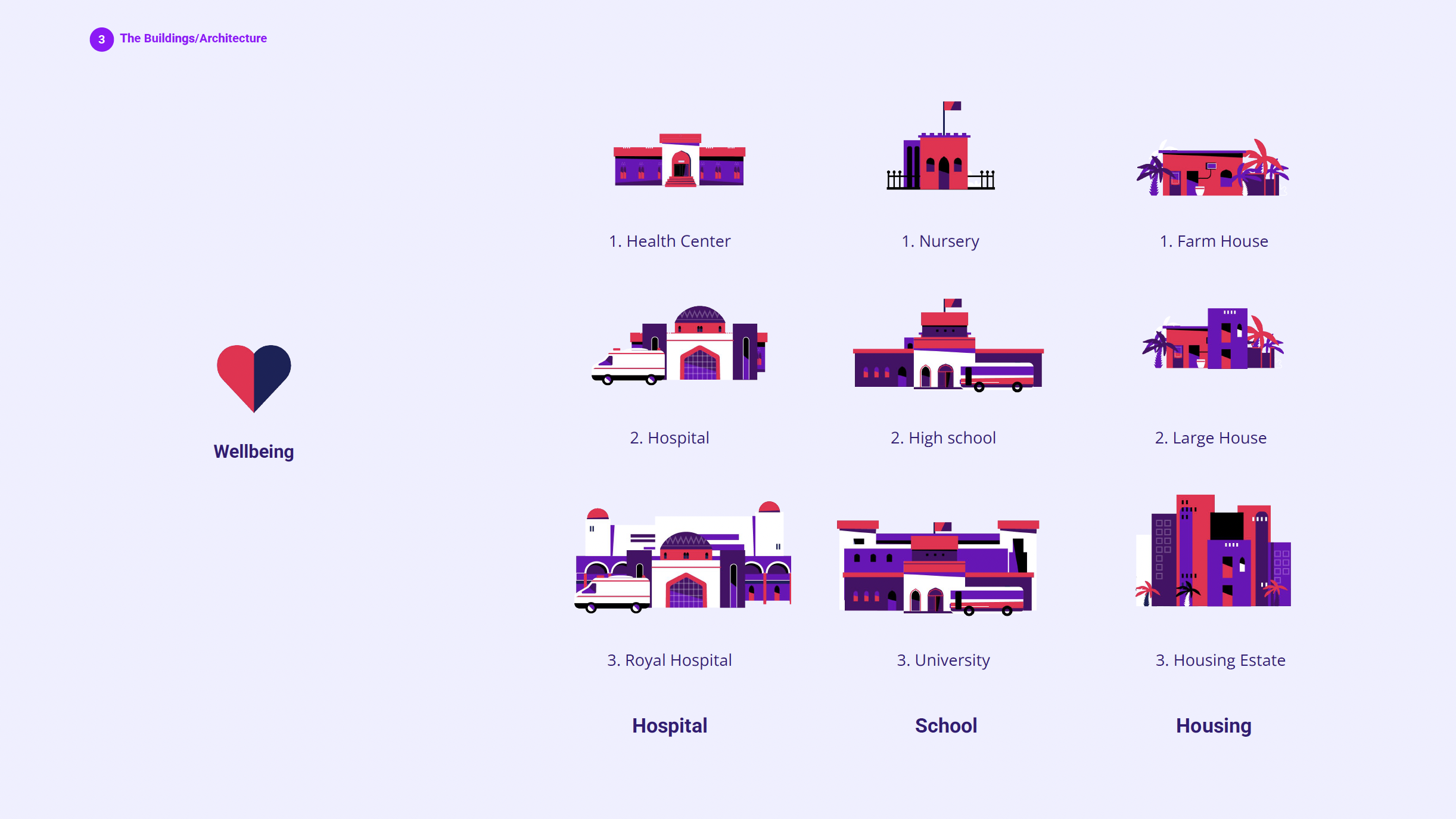
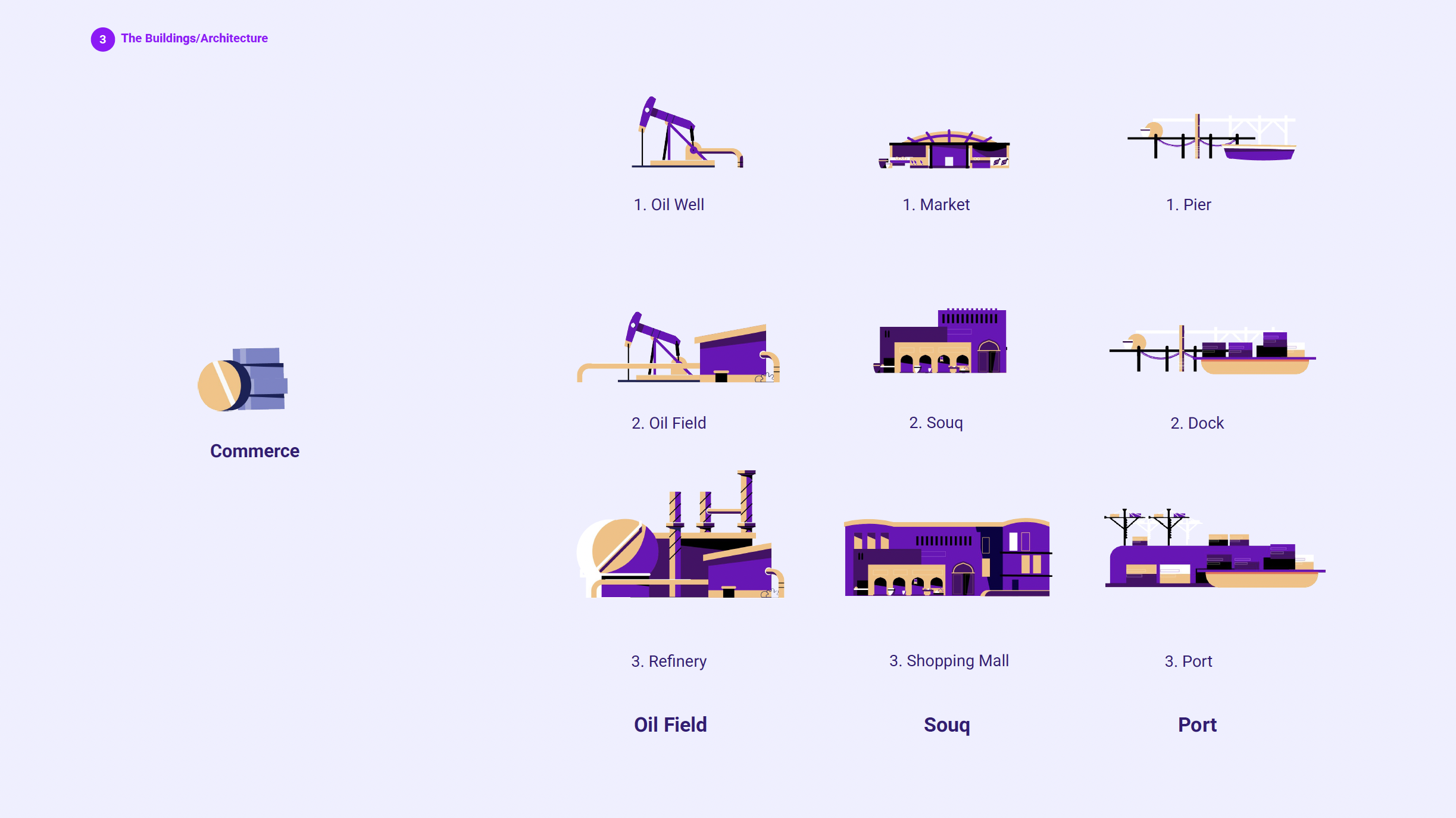
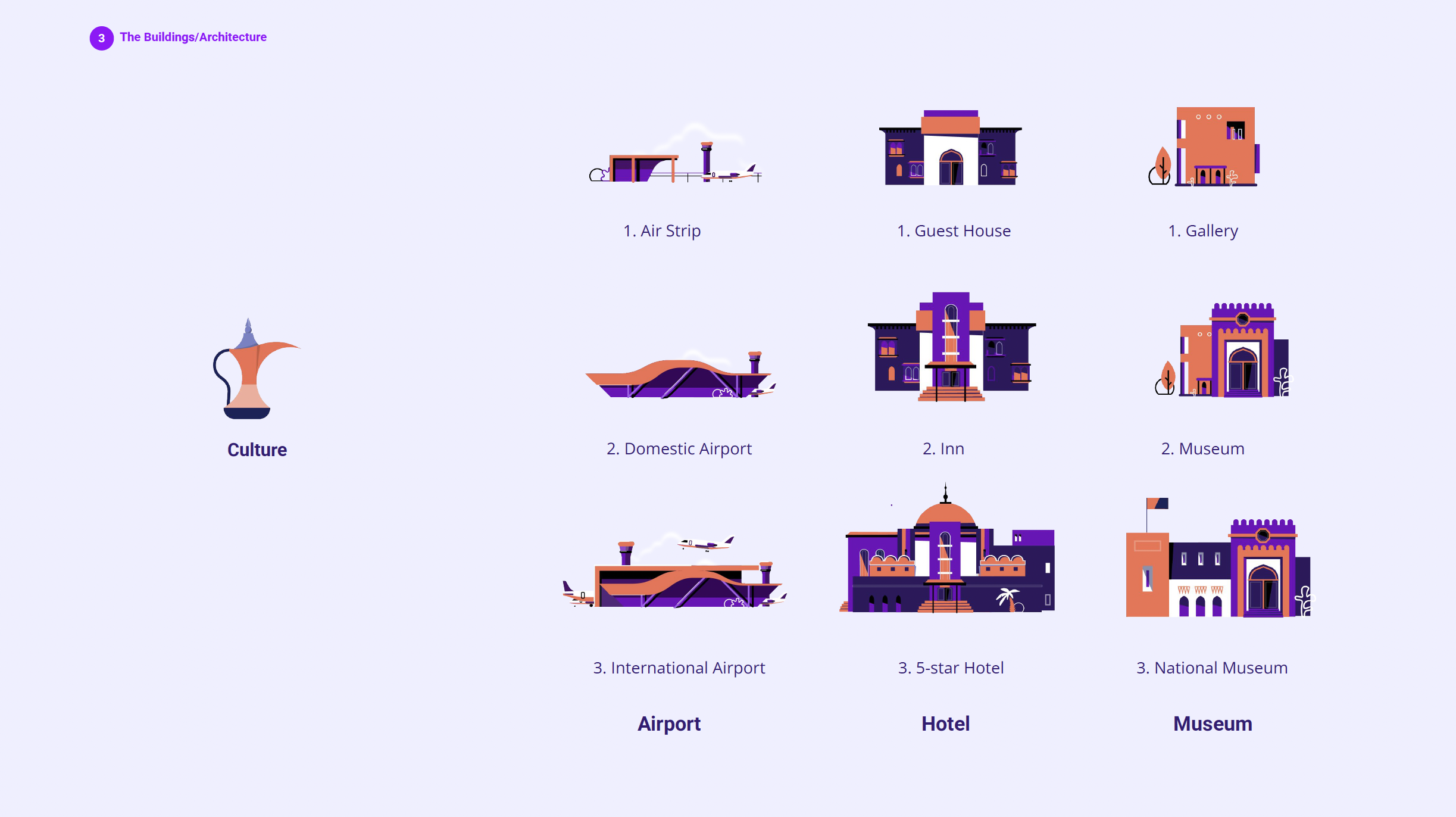
Scalable building system gallery — overall view plus Wellbeing, Commerce, and Culture sector boards.
Development Logic
Each building develops through three layers and three levels — Layer 1 being the structural base, Layer 2 the architectural envelope, Layer 3 the details and signage. As workers are added, each layer renders progressively, giving the building a visible sense of growth and investment. The same logic applies across all nine building types.
Event-driven event takeover
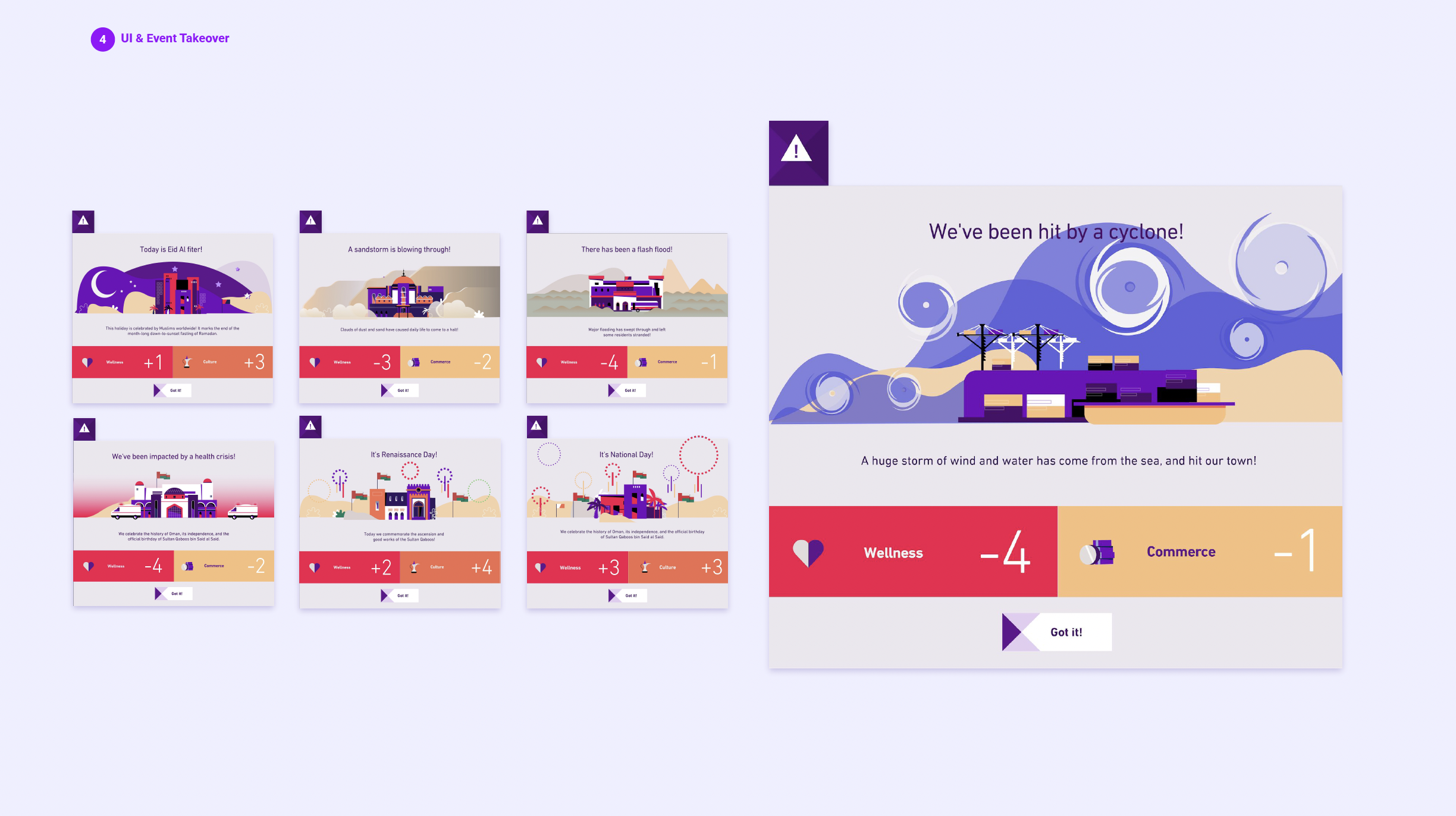
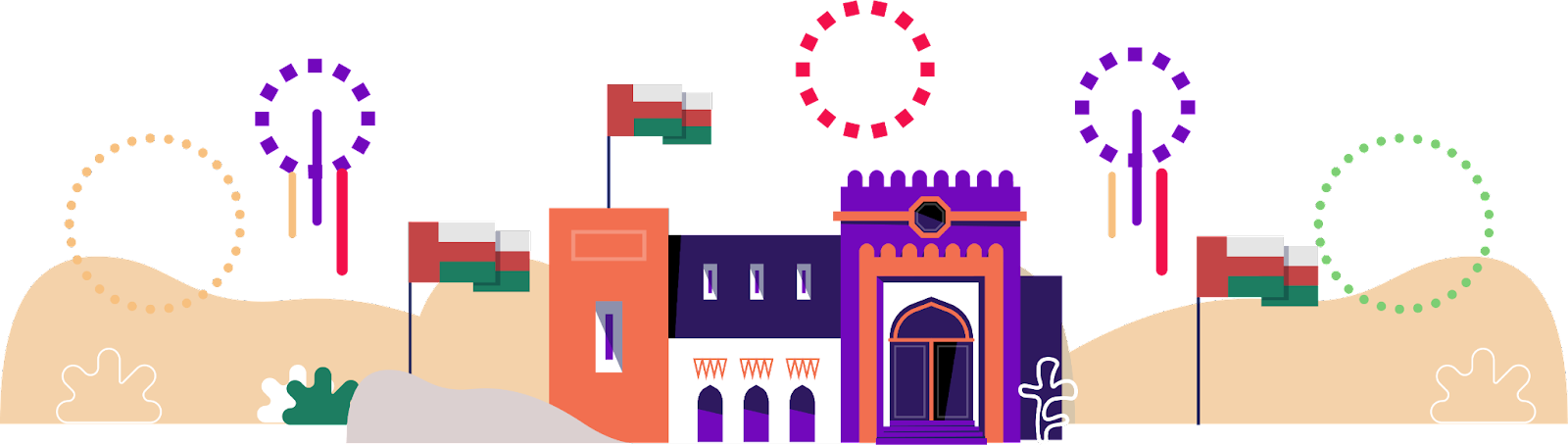
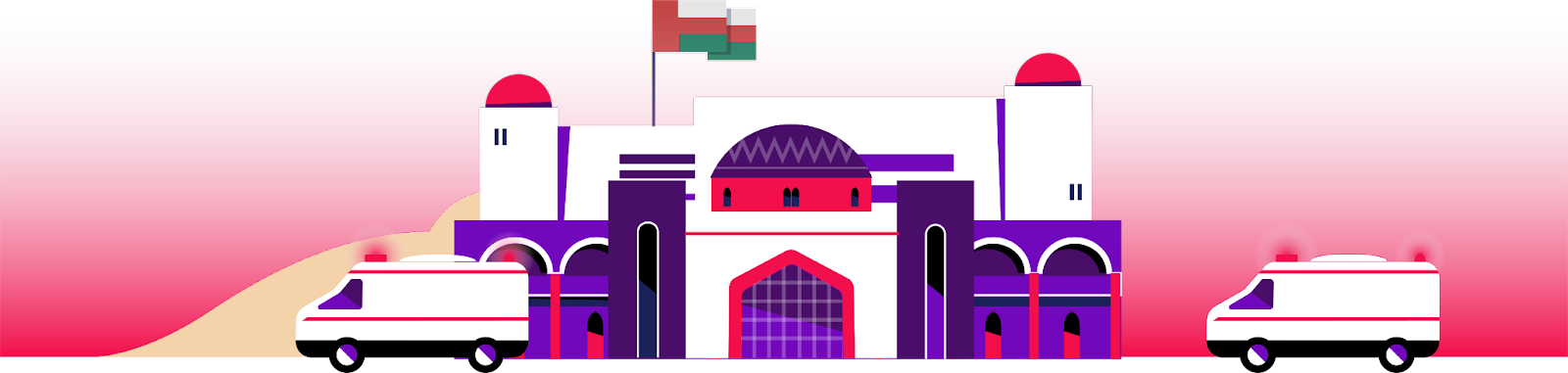
The most dramatic moments in Econo Me are the event takeovers — full-screen animated interruptions that announce unexpected national events. These stop the game entirely: a large illustration fills the table, the event is described, and the economy adjusts. Good events are celebrated with colour and fireworks. Bad events bring the consequences immediately — a sandstorm halts daily life, oil prices drop, a drought hits the farming sector.
The events are drawn from Oman's real national calendar and economic history — Renaissance Day (commemorating Sultan Qaboos), seasonal sandstorms, fishing seasons, oil booms and dips. They teach not just mechanics but the rhythms of Omani life.
Takeovers
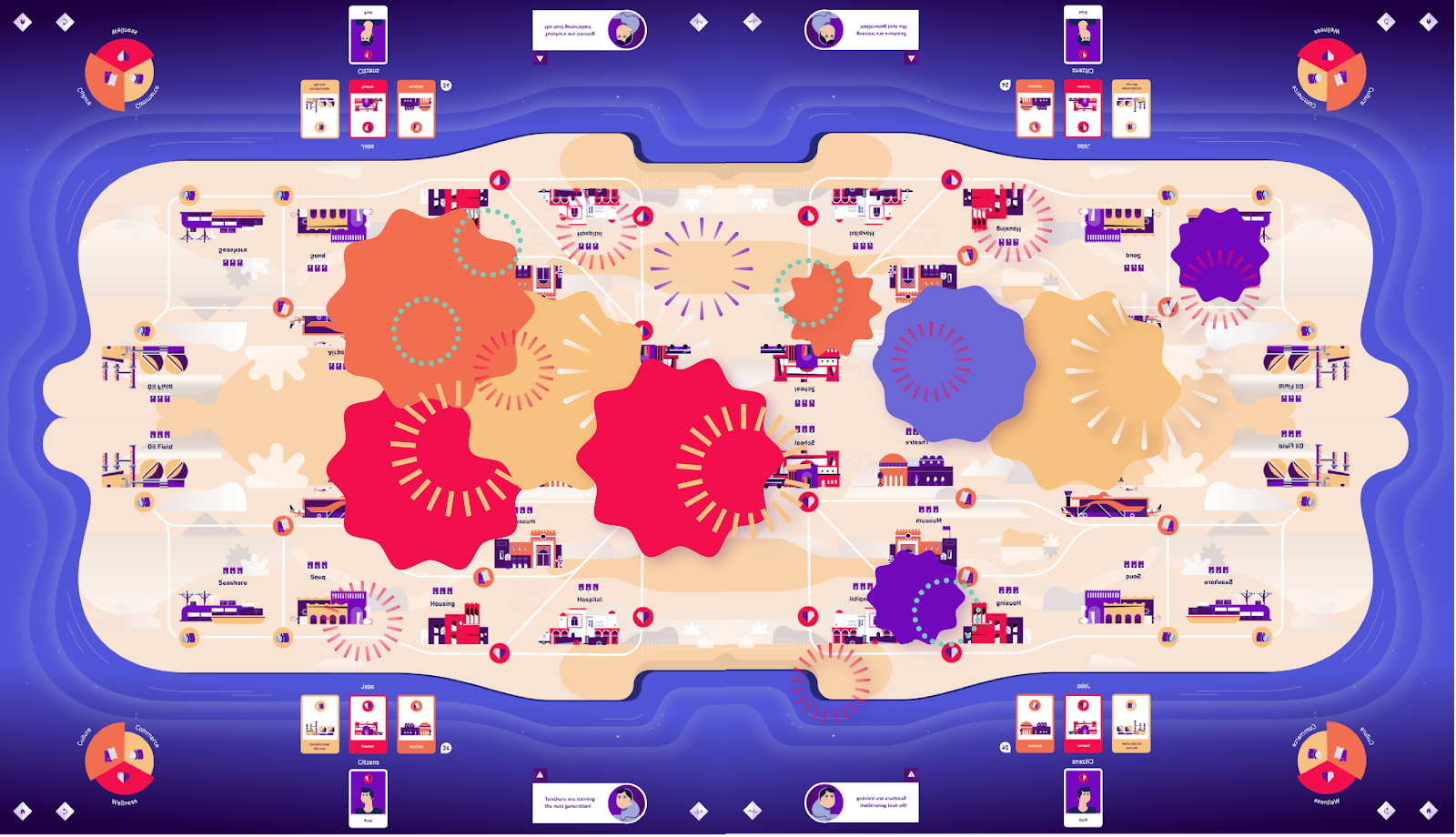
The final visual language resolves the illustrated world, the UI systems, and the event takeovers into a single coherent palette. Warm sand coast against deep navy ocean. Magenta, coral, and purple buildings against a clear horizon. Citizen characters sized for readability at arm's length. Every frame was designed to work simultaneously from four different orientations — and still hold together as a composition in its own right.
At full scale, the four-player composition shows the complete game state: four card hands arranged at the table edges, four citizen characters, the economy balance wheel, and the island at the centre. The final render tests the composition at all four orientations simultaneously — confirming that no single player gets a better or worse view, and that every element reads clearly from its own side.


Pufferfish Storyboard + Styleframes
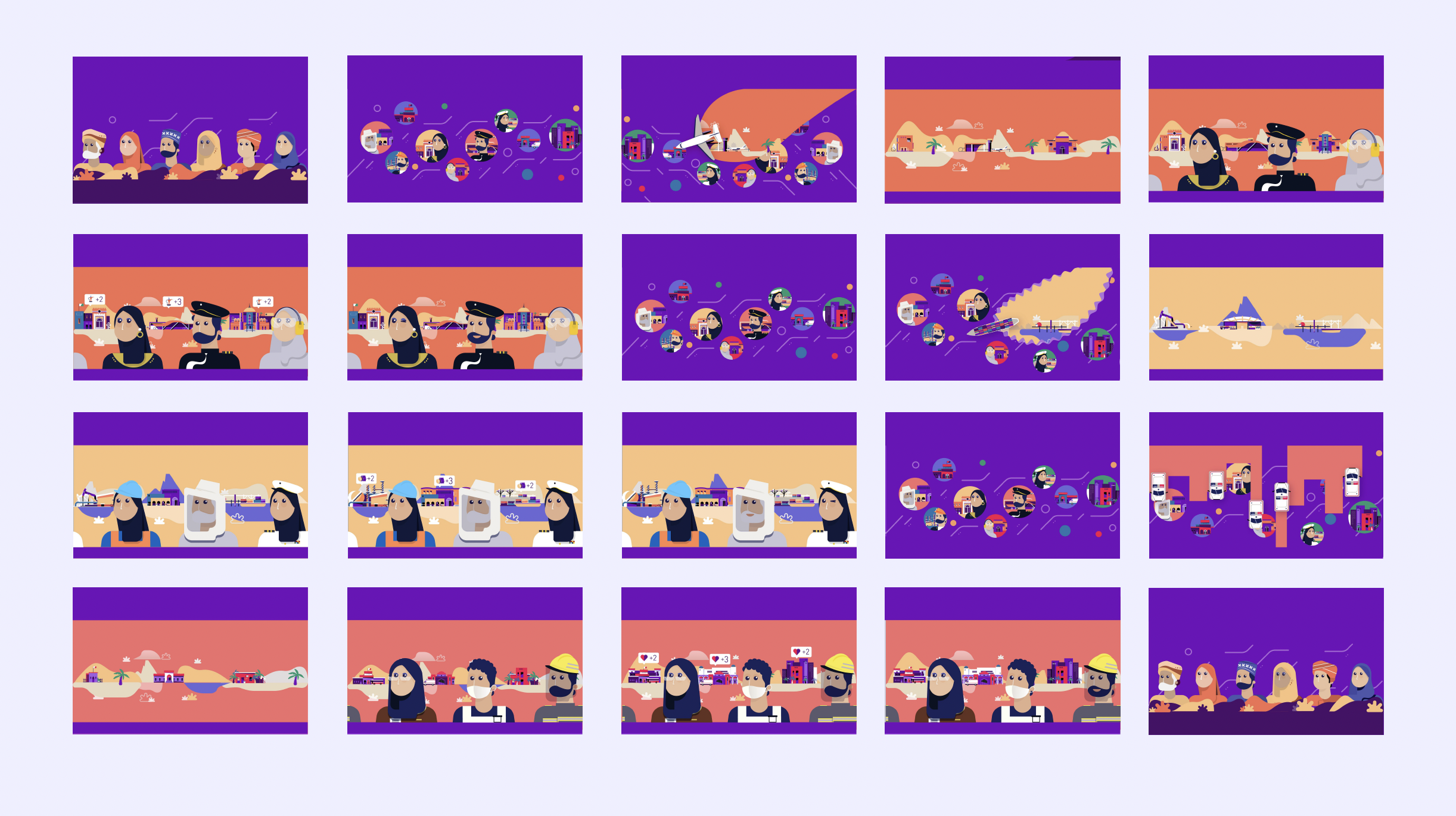
Alongside the interactive table, a Pufferfish projection dome sits in the same gallery — a large spherical screen showing a looping ambient film of the Econo Me world. The dome functions as the exhibit's attractor: visible from across the gallery, it draws visitors toward the table before they know what they're about to play.
The film was storyboarded across the full curved surface — mapping the narrative of buildings growing, workers moving, and the economy coming to life onto a geometry that has no top, bottom, or sides. Every frame had to read as a complete composition when seen from any angle around the sphere.
Impact and Outcome
Econo Me made the complexity of national economics playable for anyone from age eight upward — no text required, no prior knowledge assumed. By grounding every mechanic in Omani specificity — real occupations, real architecture, real national events — the game teaches through feeling rather than explanation. Players leave having experienced the logic of interdependence, not just been told about it.
The exhibit was delivered for the Oman Across Ages Museum opening alongside the Pufferfish dome. Together they form the gallery's centrepiece interactive moment — a 5-minute encounter designed to stay with visitors long after they've left the building.
Impact 1
Product
The redesigned interface has shipped with the product since 2021 and continues to support real-world use today.
Impact 2
Design Contribution
Established a coherent interface system for multi-user spatial workflows — improving clarity, scalability, and consistency across desktop and VR, while enabling more complex collaboration without sacrificing usability.
Impact 3
Outlook
This work shaped my approach to designing interfaces across devices and contexts — informing my current work on XR and cross-device systems.
Next project